


Multiple myeloma is a type of blood cancer that develops when abnormal plasma cells multiply uncontrollably in the bone marrow. Although advances in treatment have improved patient outcomes, challenges remain in Malaysia, including rising disease incidence, differences in healthcare resources and limited access to newer therapies.
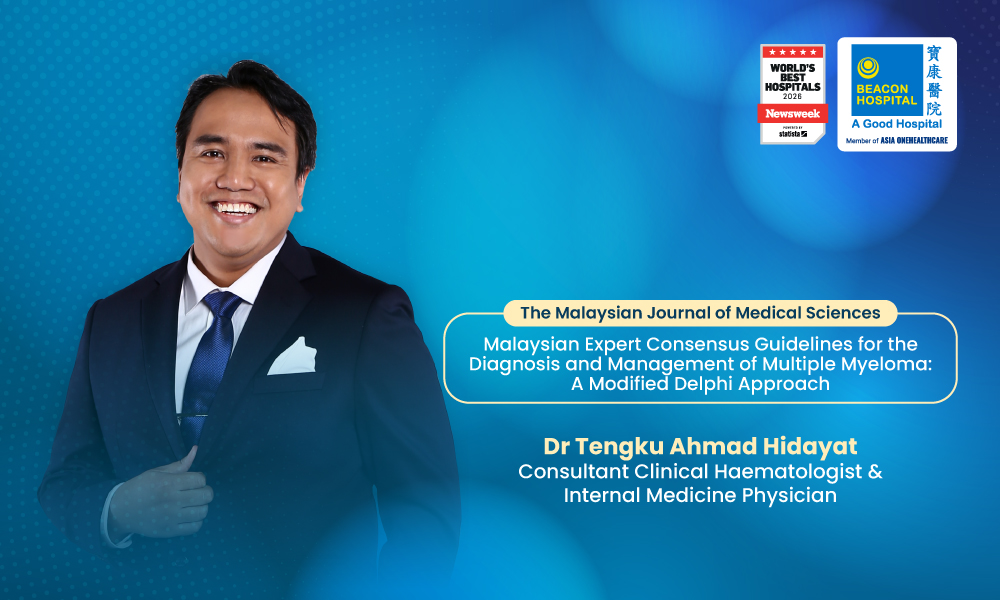
To address these challenges, a group of 11 Malaysian haematologists developed the Malaysian Expert Consensus Guidelines for the Diagnosis and Management of Multiple Myeloma: A Modified Delphi Approach. The guidelines provide evidence-based recommendations tailored to Malaysia’s healthcare setting, covering diagnosis, disease assessment, treatment and supportive care.
The consensus highlights several important areas in the management of multiple myeloma:
Treatment decisions should consider factors such as age, overall health, frailty, genetic risk, existing medical conditions and financial circumstances. This is particularly important when determining the most suitable treatment for patients who are not eligible for stem cell transplantation.
For patients eligible for transplantation, triplet drug combinations remain the minimum treatment standard in Malaysia. More intensive quadruplet regimens may provide deeper treatment responses and improved survival, although their availability may be affected by cost and regulatory considerations.
Newer treatments, including CAR-T cell therapy and bispecific antibodies, also offer potential benefits for patients whose disease has returned or no longer responds to previous treatments. However, access to these therapies remains limited.
Managing multiple myeloma involves more than treating the cancer itself. Infection prevention, vaccination, immunoglobulin support and proactive management of bone-related complications are essential to improving patients’ quality of life and overall outcomes.
The guidelines emphasise the importance of strengthening access to advanced diagnostic tools, newer treatment options and clinical trials. These efforts are essential to ensuring that more patients in Malaysia can benefit from advances in multiple myeloma care.
The development of these national consensus guidelines marks an important step towards standardising multiple myeloma management in Malaysia. By combining international evidence with local clinical expertise and healthcare realities, the recommendations aim to support more informed treatment decisions and improve outcomes for patients living with this complex blood cancer.
At Beacon Hospital, we remain committed to advancing cancer care through clinical expertise, multidisciplinary collaboration and access to comprehensive treatment services.