


“The best chance of treating a disease successfully is often before symptoms even begin.”
Many serious digestive and abdominal conditions develop quietly. Pancreatic disease, bile duct abnormalities, and certain gastrointestinal cancers might not be obvious during the early stages. By the time warning signs appear, the condition may already be more advanced, which limits the treatment options.
That is why early detection with Endoscopic Ultrasound, commonly known as EUS can lead to earlier intervention, more treatment options, and better outcomes.
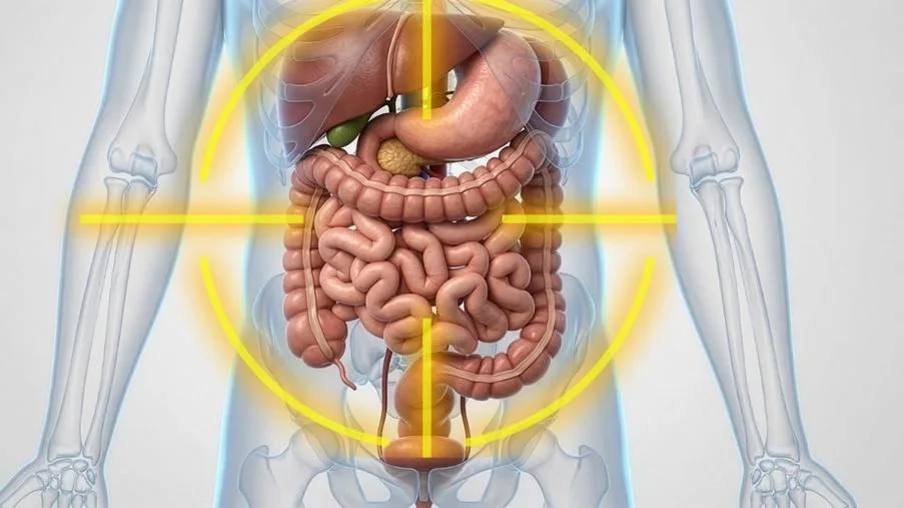
Endoscopic Ultrasound put together endoscopy and ultrasound technology into a single minimally invasive procedure. A thin, flexible scope equipped with a miniature ultrasound probe is gently passed through the mouth into the digestive tract while the patient is mildly sedated. The ultrasound-equipped probe allows detection of surrounding organs such as the pancreas, bile duct, gallbladder, liver, and nearby lymph nodes. EUS produces highly detailed images that are often clearer than conventional imaging scans.
The EUS makes a huge difference when early-stage tumours, cysts, stones, or abnormalities are not easily visible on CT scans or standard ultrasound examination. During the same procedure, doctors can perform a fine needle biopsy to collect tissue samples from suspicious areas for further lab testing — often avoiding the need for more invasive surgical diagnostic procedures.
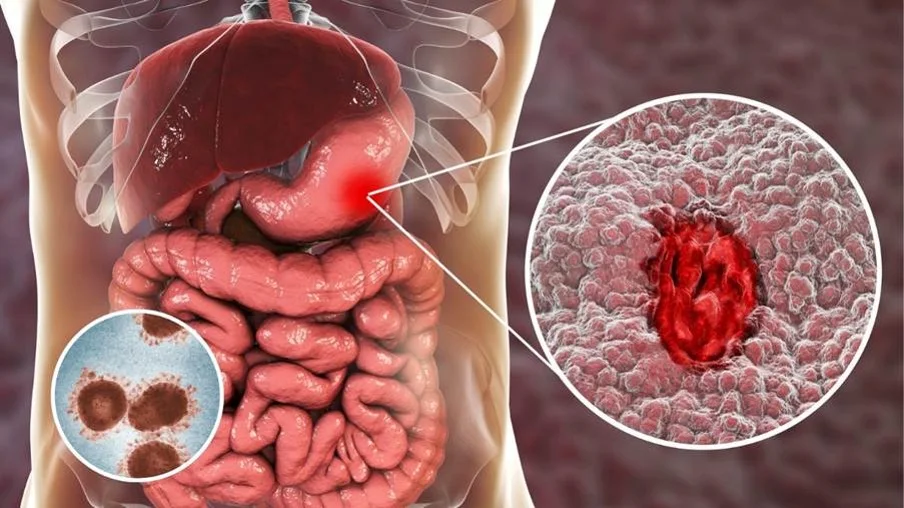
EUS plays an important role in evaluating a wide range of digestive and abdominal conditions.
It is commonly used to detect:
Because EUS provides such close-range imaging, it is particularly useful for examining areas deep within the abdomen that are difficult to assess using traditional imaging techniques.
EUS is not only valuable for diagnosis, it also helps doctors determine the most appropriate treatment approach.
For example, when cancer is suspected, EUS can assess the size of a tumour and evaluate whether nearby lymph nodes are involved. This information is crucial for doctors to determine the stage of disease and decide whether surgery, chemotherapy, radiotherapy, or a combination of treatments may be most appropriate.

EUS is minimally invasive and as such is a safe and well-tolerated procedure. Patients are usually given sedation to help them remain comfortable throughout the examination.
The procedure itself typically takes between 30 minutes to one hour, depending on the complexity of the case and whether additional procedures such as biopsy and cyst aspiration are required.
After the procedure, patients are monitored until after the effects of sedation wear off. Most patients can be discharged on the same day once their condition is stable and the medical team confirms they are fit to go home.
If your doctor recommends an EUS, it is often because they need a closer and more precise evaluation of an area that standard imaging may not provide in full clarity. By combining detailed imaging with minimally invasive tissue sampling, EUS expedite attaining critical information that can support earlier diagnosis, more accurate treatment planning, and better patient outcomes.
When it comes to digestive and abdominal diseases, getting the right answers early can make all the difference. Endoscopic Ultrasound (EUS) helps provide detailed information that leads to more accurate diagnoses and better treatment decisions.