


Blood tests are a common tool in medical diagnostics, offering valuable insights into a person’s overall health. They can help detect infections, inflammation, organ function issues, and certain abnormalities. But can blood tests definitively detect cancer? While blood tests play an important role in cancer assessment, they are usually part of a broader diagnostic process rather than a standalone solution.
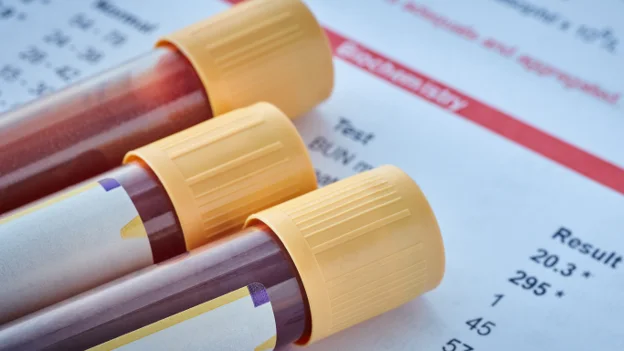
No single blood test can confirm a cancer diagnosis. A definitive diagnosis typically requires examining cells or tissue under a microscope, a procedure known as a biopsy. However, blood tests can detect abnormalities that may raise suspicion and prompt further investigations.
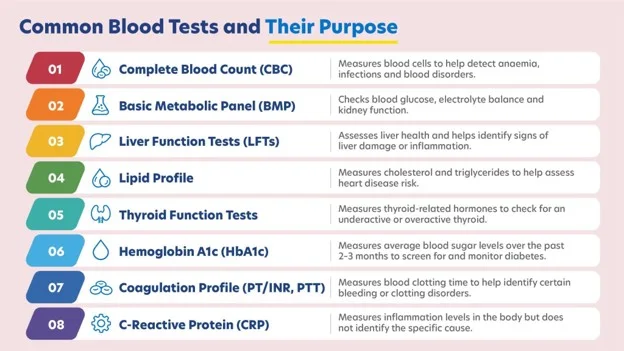
Several blood tests are commonly used to support cancer detection and monitoring:
While blood tests can provide important clues, they are not diagnostic on their own. Abnormal results may then prompt additional investigations such as imaging studies or biopsies to confirm the presence, type, and stage of cancer. Blood test results must always be interpreted in the context of clinical findings and other diagnostic tools.
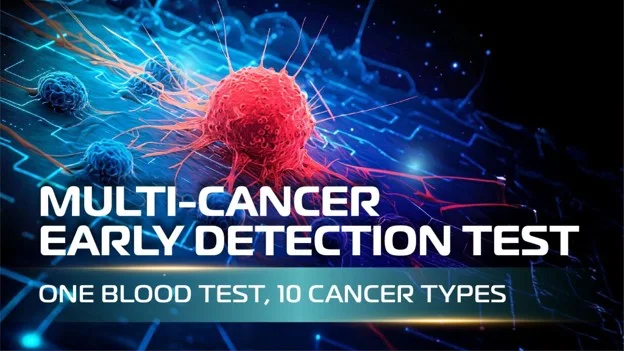
Emerging technologies such as multi-cancer early detection (MCED) tests aim to identify multiple cancer types from a single blood sample. These tests work by detecting tiny fragments of tumour DNA circulating in the bloodstream. Because these fragments are microscopic, they are not visible on conventional imaging methods such as CT scans or MRIs.
Currently, about 90% of lung cancer cases are diagnosed at Stage 3 or Stage 4, making treatment more complex and outcomes less favourable. For individuals at higher risk—such as long-term smokers or those with a family history of lung cancer—screening with low-dose CT (LDCT) scans remains the recommended form of screening. MCED tests do not replace established screening methods, but they may serve as a valuable complementary tool.
By combining traditional screening, imaging, and advanced blood-based tests, the screening efforts can be more sensitive and accurate leading to cancer being detected earlier, Early detection leads to more effective treatment and better survival outcomes. As research continues to advance, blood tests may yet play an increasingly important role in making cancer detection more accessible, timely, and personalised.