

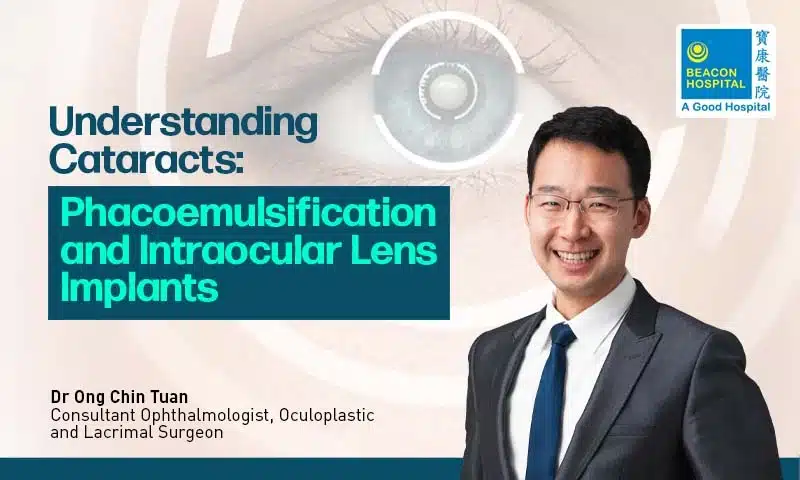
Cataracts are a common eye condition that can affect anyone, especially as people age. Cataracts occur when the natural lens of the eye becomes cloudy, leading to blurry vision and visual impairments.
They often develop gradually, causing problems such as difficulty reading, driving, or recognizing faces. Cataracts can also make colours appear dull and increase sensitivity to glare.
Phacoemulsification is the most common and effective surgical technique used to remove cataracts. This procedure is considered safe and minimally invasive, often performed by skilled ophthalmologists. Patients are not required to stay overnight in the hospital.
Here’s an overview of how phacoemulsification works:
IOLs are artificial lenses that come in different types and designs, allowing customization based on each patient’s specific needs. Some key points about IOL implants include:
Following phacoemulsification and IOL implantation, patients typically experience a relatively quick recovery. The eye may feel slightly scratchy or irritated initially, but discomfort is generally mild and short-lived. Vision gradually improves over time, with final results typically achieved within a few weeks. Regular follow-up visits with the ophthalmologist are essential to monitor progress and address any concerns.
Cataracts can significantly impact your vision and overall quality of life. However, modern surgical techniques like phacoemulsification, combined with the use of intraocular lens implants, offer effective solutions to restore clear vision. If you suspect you have cataracts, please consult an ophthalmologist who can guide you through the diagnosis, treatment options, and provide personalised recommendations for your visual needs.
Remember, with timely intervention, cataracts can be successfully treated, allowing you to regain the joy of clear vision.