EMERGENCY LINE: +603 7620 7979 / +603 7787 2992
beacon hospital logo

Total Knee Replacement

Home / Services / Total Knee Replacement
total-knee-replacement-surgery-image

WHAT IS TOTAL KNEE REPLACEMENT SURGERY?

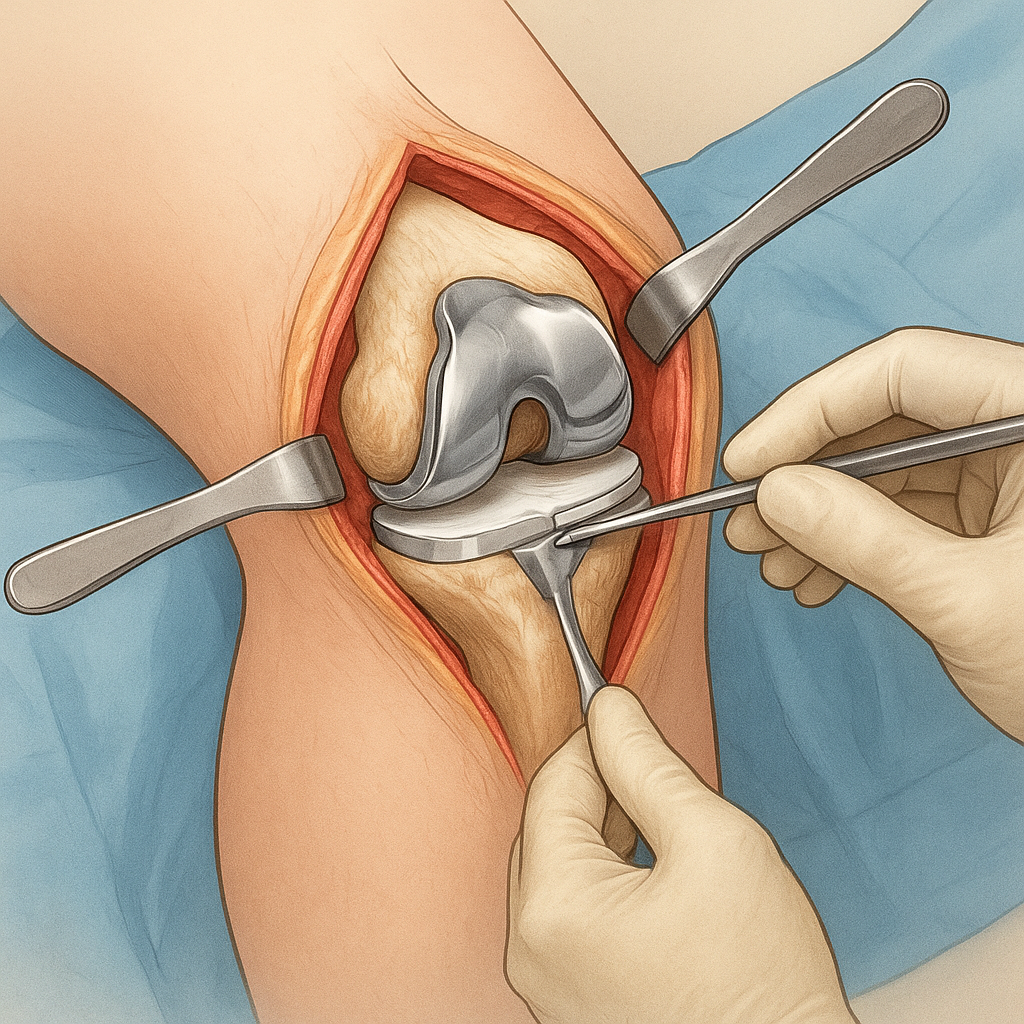
Total Knee Replacement (TKR) is a surgical procedure that replaces your damaged knee joint with metal and plastic implants. During the surgery, the surgeon removes the damaged joint surfaces and inserts metal components between them, including the patella (knee cap) surface. After the procedure, the bones no longer grind against each other.
Traditionally, surgeons reserve this surgery as the last option for treating knee arthritis and recommend it for older patients with severely damaged knee joints. However, more younger seniors now require TKR as they develop severe joint damage earlier. TKR remains one of the most commonly performed joint replacement surgeries, achieving a success rate of over 90%.

Knee joint is one of the most important joints in our body. It is also the body part taking the most load during our daily activities. There are common conditions causing severe damage of knee joint:

  • Primary osteoarthritis (related to genetic predisposition and it runs in family)
  • Degenerative arthritis (related to ageing changes, obesity, over physical activities with accumulated damages)
  • Rheumatoid arthritis
  • Gout arthritis
  • History of joint injuries with significant damage involving the knee joint surfaces
  • Other conditions and diseases

Risks of the below complications are uncommon, the total risk might be below 5%. Your doctor will take all the necessary steps to minimise these risks:

  • Infection
  • Dislocation of Joint (following accidental fall)
  • Deep vein thrombosis of lower limbs with pulmonary embolism and sudden death

The purpose of total knee replacement surgery is to relieve pain, correct deformity, improve range of movement of your damaged knee joint and therefore improve your quality. Here reason why you need Total Knee Replacement:

  • Severe knee joint damage
  • Constant and repeated knee pain
  • Severe deformity of knee joint
  • Severely disturbed activities of daily living leading to deterioration of quality and functional status of life
  • X-ray changes showing severe knee joint damage with loss of knee joint space where bone surfaces are rubbing on each other

Knee joint is one of the most important joints in our body. It is also the body part taking the most load during our daily activities. There are common conditions causing severe damage of knee joint:

  • Primary osteoarthritis (related to genetic predisposition and it runs in family)
  • Degenerative arthritis (related to ageing changes, obesity, over physical activities with accumulated damages)
  • Rheumatoid arthritis
  • Gout arthritis
  • History of joint injuries with significant damage involving the knee joint surfaces
  • Other conditions and diseases

Risks of the below complications are uncommon, the total risk might be below 5%. Your doctor will take all the necessary steps to minimise these risks:

  • Infection
  • Dislocation of Joint (following accidental fall)
  • Deep vein thrombosis of lower limbs with pulmonary embolism and sudden death

The purpose of total knee replacement surgery is to relieve pain, correct deformity, improve range of movement of your damaged knee joint and therefore improve your quality. Here reason why you need Total Knee Replacement:

  • Severe knee joint damage
  • Constant and repeated knee pain
  • Severe deformity of knee joint
  • Severely disturbed activities of daily living leading to deterioration of quality and functional status of life
  • X-ray changes showing severe knee joint damage with loss of knee joint space where bone surfaces are rubbing on each other

Importance and Benefits of Total Knee Replacement (TKR)

Why Total Knee Replacement are so important?

Total knee replacement matters because it restores a knee that’s already beyond conservative treatment . When pain, stiffness, and structural damage start messing with your mobility and daily life, TKR becomes the most effective way to get your function back and keep your quality of life from dropping off a cliff.

Key Benefits

Major pain relief that actually lasts, not the temporary fix you get from medicines or injections.
Better mobility and stability, letting you walk, climb stairs, kneel, and move with confidence again.
Correction of deformity, improving joint alignment so the knee functions naturally and reduces long-term strain.

What You Need To Know Before Undergo Total Knee Replacement Surgery

If your knees are constantly painful, swollen, warm, stiff, tender, or visibly deformed—and your movement feels limited or unstable—these signs usually indicate advanced joint damage that meets the criteria for surgery.

If lifestyle changes, painkillers, anti-inflammatory medicines, joint-protective medicines, or hyaluronic acid injections haven’t given meaningful relief, it’s a strong signal that non-surgical options are no longer effective.

Yes. Your surgeon will assess your knee, explain the current condition, and walk you through why TKR is recommended and what outcomes you can expect.

Absolutely. You should know what the procedure involves, what happens during hospitalisation, and what recovery and rehabilitation look like.

A physician will review your overall health and optimise any underlying conditions to lower surgical risks and ensure a safer recovery.

Yes. Inform them about all blood thinners, prescribed or over-the-counter, as well as any traditional or herbal remedies. These can affect bleeding and must be managed before surgery.

Any active infection—skin issues, open wounds, urinary tract infections, or respiratory infections—must be treated first. Operating with an untreated infection increases the risk of complications.

Yes. If both knees are equally damaged, doing both in a single session is common and often recommended for efficiency and recovery balance.

Surgery and Hospitalisation

DaysActivities
Day 1You’ll be admitted a day before surgery and seen by your orthopaedic surgeon, physician, and anaesthetist to decide on general or regional anaesthesia. Older patients may need a bone density check. You’ll sign consents for surgery, anaesthesia, and blood transfusion. Nurses will clean and prep your knee to reduce infection risk.
Day 2After your knee surgery—one or both—you’ll be monitored in the ICU for blood pressure, pulse, blood loss, and fluid balance. This close observation is especially important for older patients to ensure safety and stability.
Day 3You’ll be able to eat and drink comfortably while the rehab team helps you start bed exercises, lower limb movements, and even sitting, standing, or walking a few steps.
Day 4You’ll start standing and walking with a frame, guided by the rehab team. They’ll prepare you for home activities, helping you regain confidence in daily movements.
Day 5You’ll typically stay in the ward for 5 to 7 days. If you’re confident managing at home, regular physiotherapy may not be needed; otherwise, your doctor will arrange follow-up care.
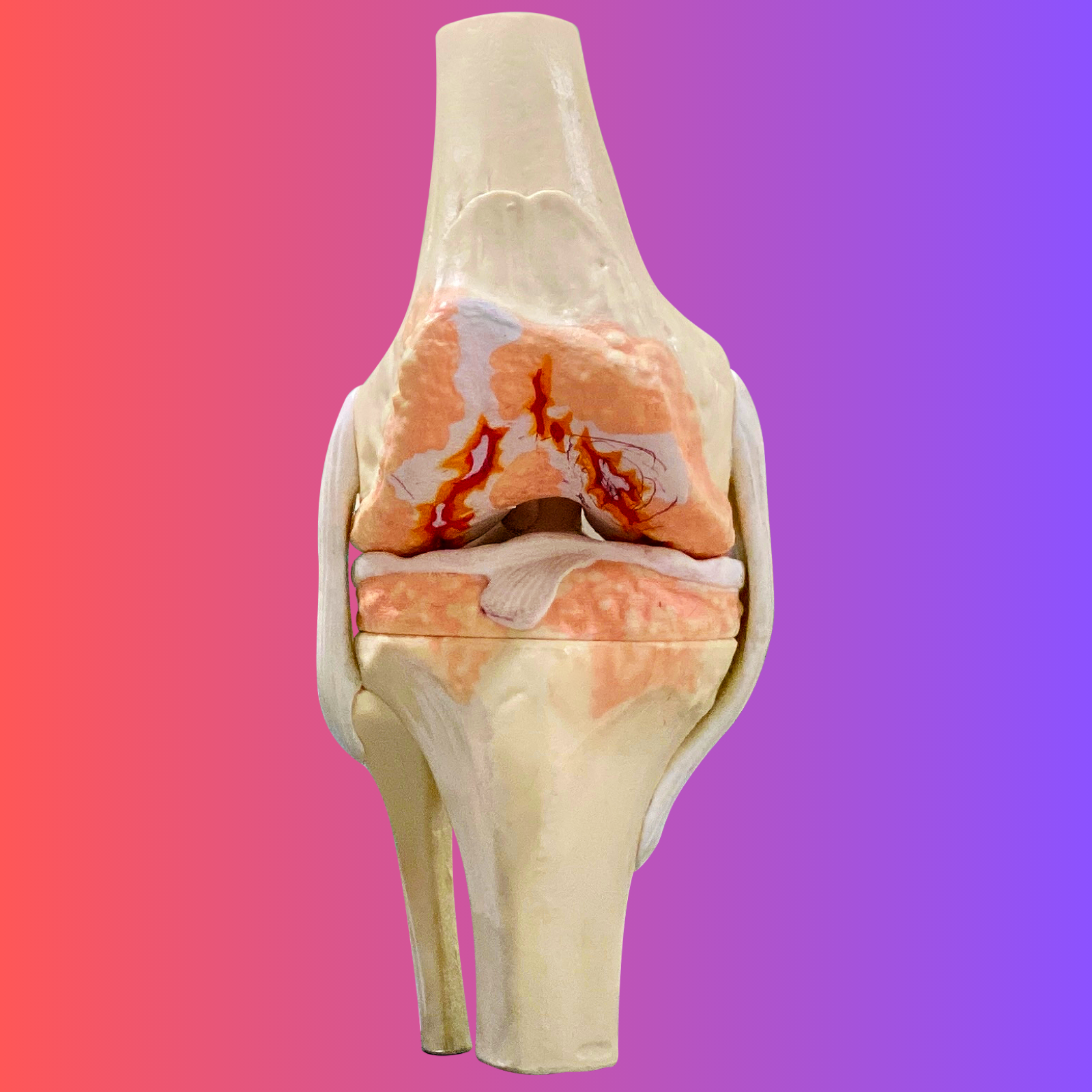
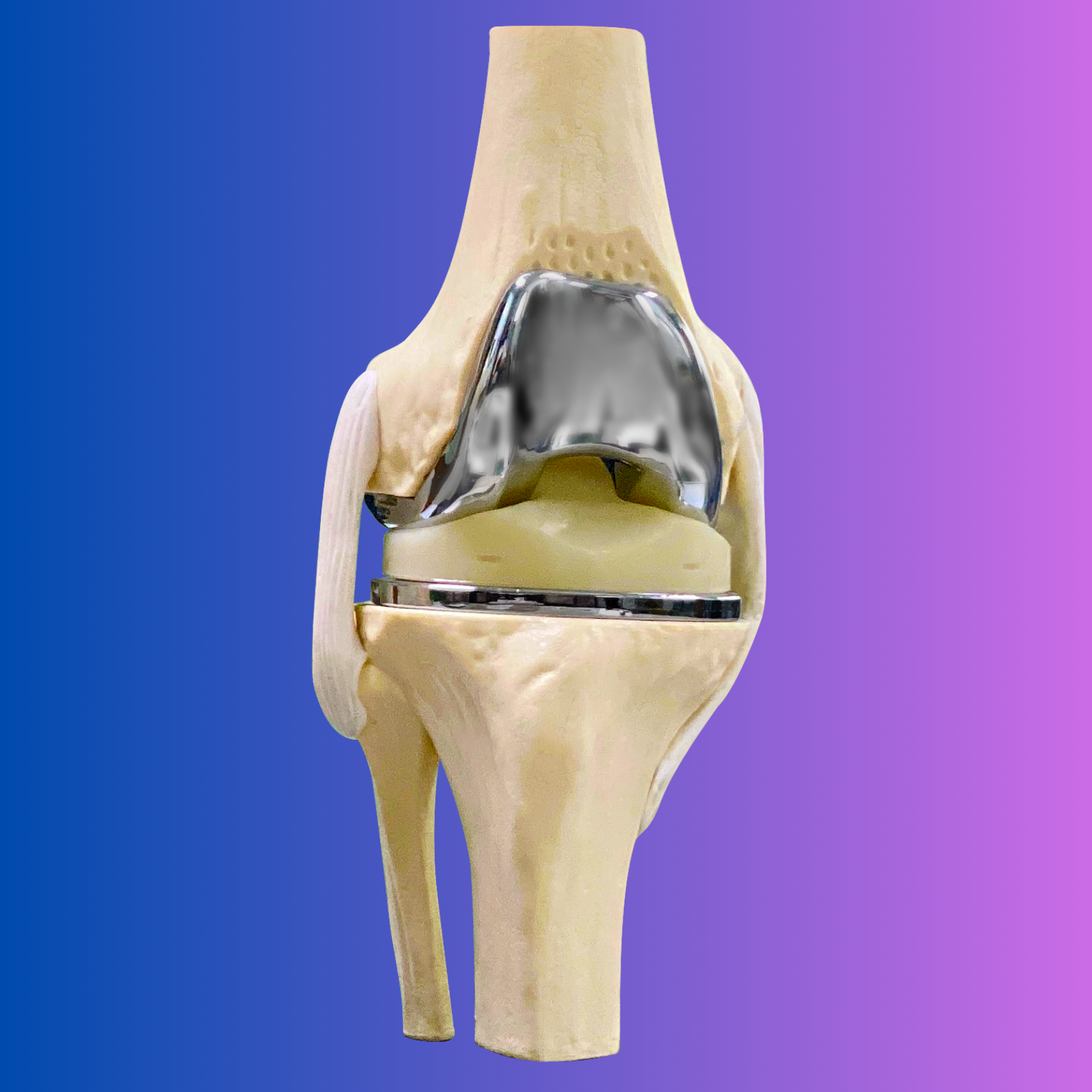
This is how Total Knee Replacement (TKR) surgery was performed by our surgeons:
Knee-Before-Total-Knee-Replacement-Surgery

Before

Surgery

Before Surgery
Knee-After-Total-Knee-Replacement-Surgery

After

Surgery

After Surgery

Post-Surgery

After Surgery

Upon discharge, you will be given oral antibiotics, painkillers, and anti-inflammatory medicines. Additionally, keep the wound dressing dry and avoid changing it yourself.

Rehabilitation

Meanwhile, you are encouraged to do ice pack massage on the operated knee. Cold therapy helps reduce swelling, warmth, pain, and tenderness, which in turn makes it easier to exercise and mobilise your knee comfortably.

Follow-Up

Subsequently, you will have a review appointment accordingly. Your doctor will check the wound, remove stitches, and advise if further physiotherapy is needed.

Bone Health

Finally, if your bone density check shows osteoporosis or low bone mass, treatment will be recommended so that your bone quality improves and consequently ensures your implants remain stable for the long term.

Meet Our Specialists

The information provided is not the standard recommendation and the only way to do all surgeons. Every surgeon has his own protocol. Follow the protocol and recommendation from your own surgeon.
Latest Highlights
Centres of Excellence

Cancer Specialist Center

Our Beacon Hospital Cancer Specialist Center offers expert treatments and compassionate care for all types of cancer, providing personalized solutions for every patient.

Find Related Consultants

Explore our team of specialized consultants at Beacon Hospital, dedicated to providing expert care and treatment across various medical fields.

Latest Promotion

Explore our latest promotions on medical treatments and wellness packages designed to support your health and well-being at Beacon Hospital.

Information

Visiting Hours:
10:00 – 22:00
General Line:
+603 7620 7979 +603 7787 2992
Consultants Appointment Line:
+603 7118 7878 +6012 328 6913
Email:
info@beaconhospital.com.my
Career Enquiries / HR:
joinus@beaconhospital.com.my

Beacon Hospital Sdn. Bhd.

200301019556 (621976-D)
1, Jalan 215, Seksyen 51,
Off Jalan Templer,
46050 Petaling Jaya, Selangor.

Subscribe to Our Newsletter

Stay up-to-date with the latest healthcare trends, expert advice and latest events at Beacon Hospital.

Subscribe to Our Newsletter

Stay up-to-date with the latest healthcare trends, expert advice and latest events at Beacon Hospital.
© 2025 Beacon Hospital (寶康医院). SDN. BHD. 200301019556 (621976-D) | (KKLIU 3340/2025)