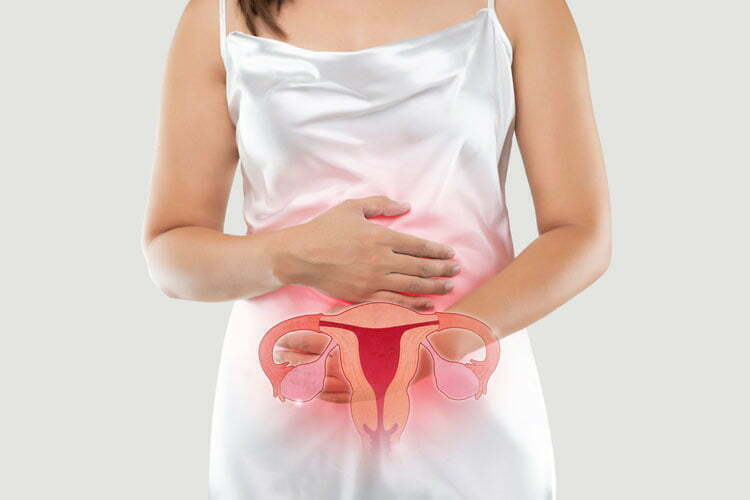
WHAT IS CERVICAL CANCER?
The cervix is the lower, narrow part of the uterus. It connects the uterus to the birth canal (vagina), which leads to the outside of the body. It’s located between the bladder and the rectum. Cervical cancer is the 4th most common type of cancer for women worldwide and 3rd leading cause of female cancer in Malaysia.
Malaysia has a population of 11.55 million women ages 15 years and older who are at risk of developing cervical cancer. Current estimates indicate that every year, 1,682 women are diagnosed with cervical cancer and 944 women die from the disease (HPV Information Centre, 2018).
In 2018, there was 569,847 in 18,078,957 cases, which is about 3.2% of cases of cervical cancer reported globally (International Agency for Research on Cancer, WHO). The high mortality rate from cervical cancer could be reduced through prevention, early diagnosis, effective screening and treatments.
Currently, there are vaccines that protect against common cancer-causing types of human papillomavirus and can significantly reduce the risk of cervical cancer. If detected early, the disease is potentially curable.
- Pain during sexual intercourse
- Abnormal vaginal bleeding
- Discharge after intercourse
- Post-menopausal vaginal bleeding
- Bleeding or spotting between periods
- Abdominal pain
- More than 3 sexual partners
- Early sexual intercourse (before 17 years of age)
- High parity (giving birth to 7 or more children)
- Low socio-economic status
- Smoking
Screening and Diagnosis
Papanicolaou (Pap) smear test
Is done by obtaining cervical cell samples with a spatula or brush. Once taken, it is smeared on a glass slide and fixed before being sent to the laboratory for staining and evaluation. Liquid-based cytology is a newer method which increases the sensitivity and accuracy of screening.
It is recommended to undergo annual Pap smear testing once a woman is sexually active. If the first two consecutive smear results are negative, screening every three years is recommended.
Colposcopy
Which uses a lighted microscope to examine the external surface of the cervix during a pelvic examination. A small tissue sample (biopsy) of suspicious lesions is taken to aid in the diagnosis of micro-invasive cervical cancer. Once invasive cervical cancer is diagnosed, other imaging tests such as CT scan and intravenous urography will be done.
Staging of Cervical Cancer
In general, the stages of cervical cancer are as follows:
Precancerous stage – Abnormal Pap smear, may potentially develop into cancer if left untreated
Stage I – Cancer confined to the cervix
Stage II – Cancer involving the upper vagina and some surrounding tissue
Stage III – Cancer spread to the lower vagina and more surrounding tissues (may affect kidneys)
Stage IV – Cancer has spread to another organ (also known as metastatic cancer)
Treatment
Treatment for bone cancer depends on the type of bone cancer you have and how far it has spread. Most people have a combination of:
Chemotherapy
Is given along with radiotherapy for late stages of cancer (advanced stage II-IV). Together they give a better treatment response.
Surgery
(suitable for Stage I and some early Stage II)
- Hysterectomy (removal of the uterus) may be performed in addition to removing the cervix.
- A cone biopsy (removal of the inside of the cervix where cancer started growing)
- A trachelectomy (removal of the upper vagina and cervix) are some surgical options.
The uterus will not be removed if the woman wishes to preserve her fertility.
Targeted therapy
Drugs work by attaching themselves to proteins or receptors on cancer cells, either killing the cells or helping other therapies, such as chemotherapy, work better. These targeted drugs work differently from standard chemotherapy drugs and often have different targeted effects. For instance, angiogenesis inhibitor targeted drug blocks the formation of new blood vessels that feed tumours, which can be used to treat advanced cervical cancer.
Radiotherapy
with external beam therapy (administered from an outside source of radiation) and brachytherapy (insertion of radioactive sources near the tumour for a fixed period of time).
Halcyon Radiotherapy System
Halcyon Radiotherapy System at Beacon Hospital enables:
- Fast and precise X-ray dose delivered to each tumour with high accuracy over a minimum number of treatment sessions
- Reduces unwanted radiation dose, thus, minimising side effects
Unlike any other radiation delivery system, the Halcyon technology’s beam-on time could be as fast as 1-minute plus. Its gantry rotates 4 times faster than a standard linear accelerator and its multi-leaf collimator (MLC) can move twice faster than traditional MLCs. All of these features help in improving the time it takes to treat the patients.
 EN
EN 中文
中文 IDN
IDN