EMERGENCY LINE: +603 7620 7979 / +603 7787 2992
beacon hospital logo
Kidney-&-Bladder-Cancer-Centre-Of-Excellent-Cancer-Specialist-Centre-Beacon-Hospital-Malaysia

WHAT IS KIDNEY & BLADDER CANCER?

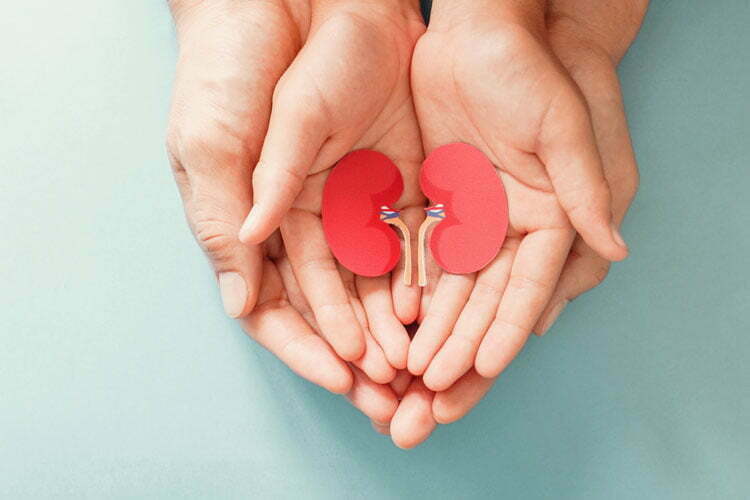
Kidneys & bladder are the major organs of the urinary tract, along with the ureters and urethra. The kidneys main function is to filter blood to remove impurities, excess minerals, salts, and water, thus producing urine. Urine is then stored in the bladder – a hollow organ in the pelvis – before it leaves the body during urination.

Cancer in the kidney is also known as renal cancer. The most common type of kidney cancer is renal cell carcinoma (RCC) which develops in the proximal renal tubules that make up of the kidney’s filtration system. According to the National Cancer Registry Report 2007-2011, kidney cancer accounts for 1.28% cancer cases in Malaysia.

Due to the correlation between the kidneys and bladder, both types of cancer share similar signs and symptoms, such as:

  • Blood in urine
  • Pain or burning sensation during urination
  • Feeling the need to urinate many times
  • Lower back pain on 1 side of the body

People with kidney cancer may also experience these symptoms:

  • Swelling of ankles and legs
  • A mass or lump on the side or back
  • Unexplained weight loss
  • Loss of appetite
  • For men, the cluster of enlarged veins, known as varicocele, around a testicle may present if the tumour has grown larger

The actual cause of kidney & bladder cancer is not known. However, a few risk factors are known to be associated with the development of kidney and bladder cancer, such as:

  • Obesity
  • High blood pressure
  • Overuse of certain medications (diuretics and analgesic pills like aspirin & ibuprofen)
  • Smoking tobacco (doubles the risk of developing cancer)
  • Genetic predisposal (family history)
  • Chronic kidney disease
  • Workplace exposure
    • Chemicals like aromatic amines, which are sometimes used in the dye industry can cause bladder cancer
    • Substances like cadmium (a type of metal), herbicides, and organic solvents, particularly trichloroethylene

Symptoms

Due to the correlation between the kidneys and bladder, both types of cancer share similar signs and symptoms, such as:

  • Blood in urine
  • Pain or burning sensation during urination
  • Feeling the need to urinate many times
  • Lower back pain on 1 side of the body

People with kidney cancer may also experience these symptoms:

  • Swelling of ankles and legs
  • A mass or lump on the side or back
  • Unexplained weight loss
  • Loss of appetite
  • For men, the cluster of enlarged veins, known as varicocele, around a testicle may present if the tumour has grown larger

Factors

The actual cause of kidney & bladder cancer is not known. However, a few risk factors are known to be associated with the development of kidney and bladder cancer, such as:

  • Obesity
  • High blood pressure
  • Overuse of certain medications (diuretics and analgesic pills like aspirin & ibuprofen)
  • Smoking tobacco (doubles the risk of developing cancer)
  • Genetic predisposal (family history)
  • Chronic kidney disease
  • Workplace exposure
    • Chemicals like aromatic amines, which are sometimes used in the dye industry can cause bladder cancer
    • Substances like cadmium (a type of metal), herbicides, and organic solvents, particularly trichloroethylene

Diagnosis

Blood and urine test

Would be the preliminary diagnostic procedure to check for the number of red blood cells and to check on blood in urine, bacteria or cancer cells.

Biopsy

To obtain tumour cells for examination under a microscope.

Cystoscopy

Is a procedure that allows your doctor to examine the lining of your bladder and the tube that carries urine out of your body. A cystoscope equipped with a lens is inserted into your urethra and slowly advanced into your bladder.

Staging of Kidney & Bladder Cancer

Staging of cancer helps the doctor determine the treatment course and the diagram below explains the meaning behind the numbering of cancer staging

Stage 0 – Early cancer that is only present on the surface of the inner lining of the bladder. The cancer does not invade the muscle or connective tissue of the bladder wall.
Stage I – The cancer has grown through the inner lining of the bladder and into the lamina propria. It has not yet spread to the thick muscle layer of the bladder wall or to the lymph nodes or other organs.
Stage II – The cancer has spread into the thick muscle layer of the bladder wall. It is also called invasive cancer or muscle-invasive cancer. The tumor has not yet reached the fatty tissue surrounding the bladder and has not spread to the lymph nodes or other organs.
Stage III – The cancer has spread through the muscle wall into the fatty tissue surrounding the bladder (perivesical tissue) or to the prostate. Alternatively, the cancer has spread to the surrounding lymph nodes.
Stage IV – The tumor has spread into the abdominal wall, or the cancer has spread to lymph nodes outside the pelvis or to other parts of the body.

Treatment

Treatment course will be determined by the oncologist upon obtaining the results of the diagnostic. Depending on the staging of cancer, the location and size of the tumour, treatment options may vary from case to case and inclusive of:

Surgery

Targeted Therapy

Radiotherapy

Chemotherapy

Cancer Specialist Center

View More

Find Related Consultants

View More

Latest Promotion

View More

Information

Visiting Hours:
10:00 – 22:00
General Line:
+603 7620 7979 +603 7787 2992
Consultants Appointment Line:
+603 7118 7878 +6012 328 6913
Email:
info@beaconhospital.com.my
Career Enquiries / HR:
joinus@beaconhospital.com.my

Beacon Hospital Sdn. Bhd.

200301019556 (621976-D)
1, Jalan 215, Seksyen 51,
Off Jalan Templer,
46050 Petaling Jaya, Selangor.

Subscribe to Our Newsletter

Stay up-to-date with the latest healthcare trends, expert advice and latest events at Beacon Hospital.

Subscribe to Our Newsletter

Stay up-to-date with the latest healthcare trends, expert advice and latest events at Beacon Hospital.
© 2025 Beacon Hospital (寶康医院). SDN. BHD. 200301019556 (621976-D) | (KKLIU 3340/2025)