EN
EN 中文
中文 IDN
IDN
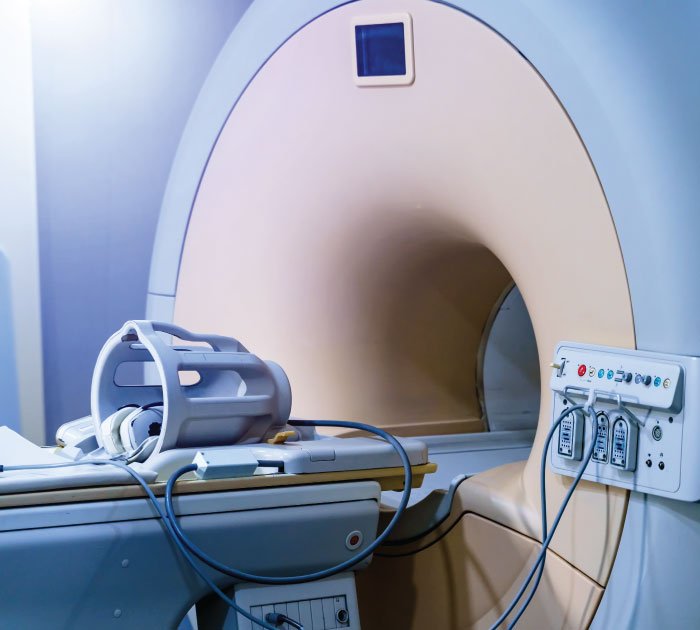
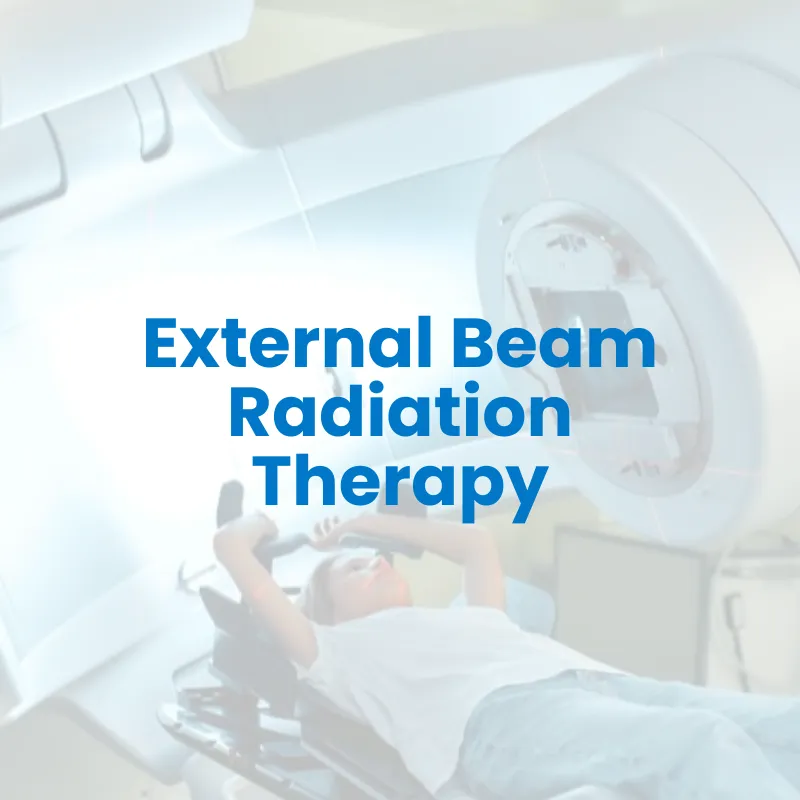
Radiotherapy is a painless cancer treatment using high-energy particles or waves such as x-rays, gamma-rays, electron beams or protons to kill or shrink cancer cells. It can have a targeted, powerful effect on tumours that are confined to a specific area.
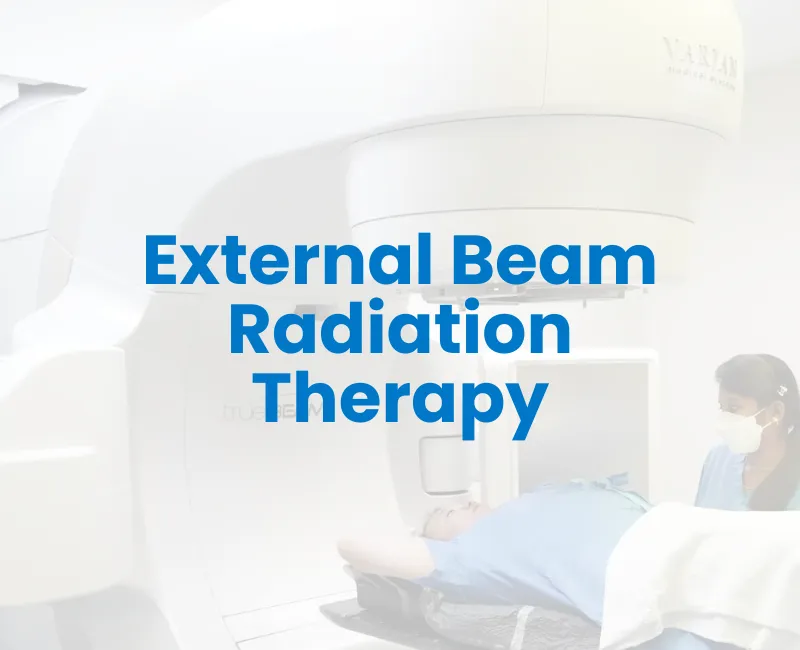

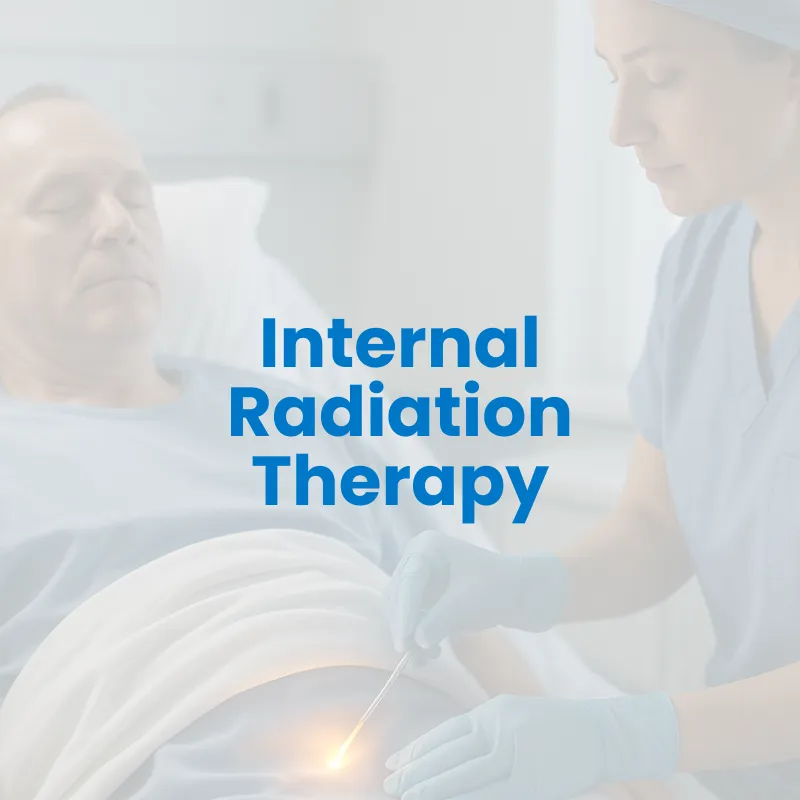

To cure or shrink early-stage cancer (curative radiotherapy).

To stop cancer from recurring or treat symptoms caused by advanced cancer (palliative radiotherapy).

To help other treatments to be more effective as it can be combined with chemotherapy or using before surgery (neo-adjuvant radiotherapy) as synergistic treatment.

To relieve symptoms in advanced cancer that cannot be cured—palliative radiotherapy helps shrink tumours and reduce pain.
Supports up to 20 calibration protocols per imaging device, enabling automated selection based on image type and energy for safer, more efficient advanced imaging.
Tailor treatment plans with improved multi-workspace integration and better documentation tools for streamlined reviews.
Enhanced Leaf Modelling (ELM) provides a new level of precision in dose calculations for radiation therapy, particularly for small field sizes and dynamic MLC sequences. More accurate treatment delivery to the patients
The SBRT Normal Tissue Objective (NTO) improves the precision of radiotherapy by intelligently guiding dose distribution to minimize exposure to surrounding healthy tissues while maintaining optimal tumor coverage.
By automatically shaping and refining dose gradients, SBRT NTO reduces the complexity of treatment planning, enabling clinicians to generate consistent, high-quality plans with greater efficiency and confidence.
This empowers radiation oncology teams to achieve better clinical outcomes with streamlined workflows and reduced planning variability.
Skin irritation
Hair loss
Urinary problems
Mouth and throat ulcers
Damage to the salivary gland
Fibrosis (scarring of tissues)
Cognitive decline
Infertility
Damage to the bowel (radiation enteropathy)
Secondary cancer
Monday – Friday
8:30 AM – 6:00 PM