

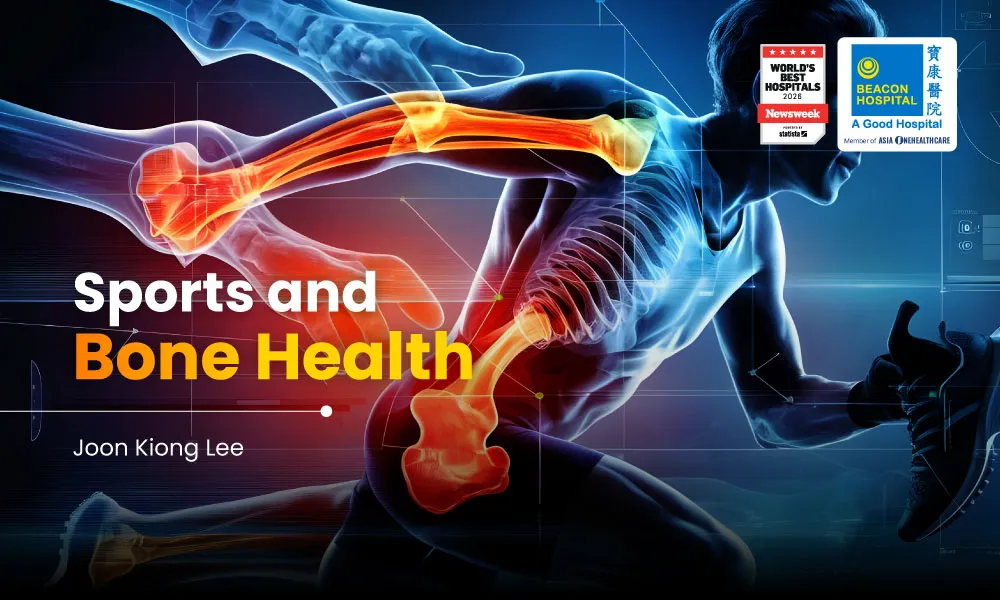
Strong bone health and sports are closely linked. Optimal bone health supports performance, while regular exercise stimulates bone formation and helps maintain bone strength throughout life, particularly during growth.
Both calcium and vitamin D are crucial to bone metabolism, with vitamin D deficiency strongly associated with increased injury risk and reduced athletic performance. Bone strength is the result of the interaction of nutrition, physical activity, and hormonal regulation.
Key risks for athletes include vitamin D insufficiency, low energy availability, and reduced bone mineral density. Relative Energy Deficiency in Sport (RED-S) highlights how chronic energy deficiency impairs multiple physiological systems, leading to weakened bone health and increased risk of stress fractures. Additional considerations include the Female and Male Athlete Triad, as well as the unique bone health challenges faced by Masters (older athletes) and Para-athletes.
Although international guidelines emphasise adequate vitamin D intake and targeted exercise for bone mass optimisation, effective prevention and management require a multidisciplinary approach. Collaboration among athletes, coaches, and healthcare professionals enables early risk identification, accurate diagnosis, and personalised intervention—supporting long-term bone health and sustained athletic performance.
Read full article on sport and bone health advocacy by consultant orthopaedic surgeon Dato Dr Lee Joon Kiong : Springer